
Top 50 High-Fiber Foods to Boost Digestion, Heart Health, and Overall Wellness
Getting enough dietary fiber is one of the simplest ways to improve your health naturally. Fiber not only supports digestion and prevents constipation but also plays a role in weight management, heart health, blood sugar regulation, and gut microbiome support. Many high-fiber foods are also packed with vitamins, minerals, antioxidants, and plant compounds that deliver multiple health benefits beyond digestion.
In this guide, we explore the top 50 high-fiber foods ranked from highest to lowest fiber content, along with their other powerful benefits and tips on how to incorporate them into your meals.
Enjoy!
xoxo
SiLLibake
Tips to Get More Fiber Daily:
Gradually increase fiber to avoid bloating.
Stay hydrated—fiber works best with water.
Mix soluble and insoluble fibers for maximum benefits.
Include fiber-rich snacks like nuts, seeds, or fruit.
Experiment with recipes using legumes, whole grains, and vegetables.
Top 50 High-Fiber Foods with Powerful Health Benefits:
1. Split Peas – 16 g per 1 cup cooked
High in protein, lowers LDL cholesterol, supports blood sugar balance, rich in folate and iron. Use in soups, stews, or purees.
2. Lentils – 15 g per 1 cup cooked
Protein-rich, stabilizes blood sugar, supports heart health, contains folate and magnesium. Perfect for curries, salads, and soups.
3. Black Beans – 15 g per 1 cup cooked
Supports gut microbiome, rich in antioxidants, stabilizes blood sugar, supports heart health. Great for tacos, burritos, and salads.
4. Kidney Beans – 13 g per 1 cup cooked
Protein-rich, lowers cholesterol, contains folate and potassium. Ideal for chili, stews, or bean salads.
5. Chickpeas (Garbanzo Beans) – 12 g per 1 cup cooked
Supports heart health, magnesium and zinc content, protein-rich, may aid weight management. Roast as a snack, blend into hummus, or add to salads.
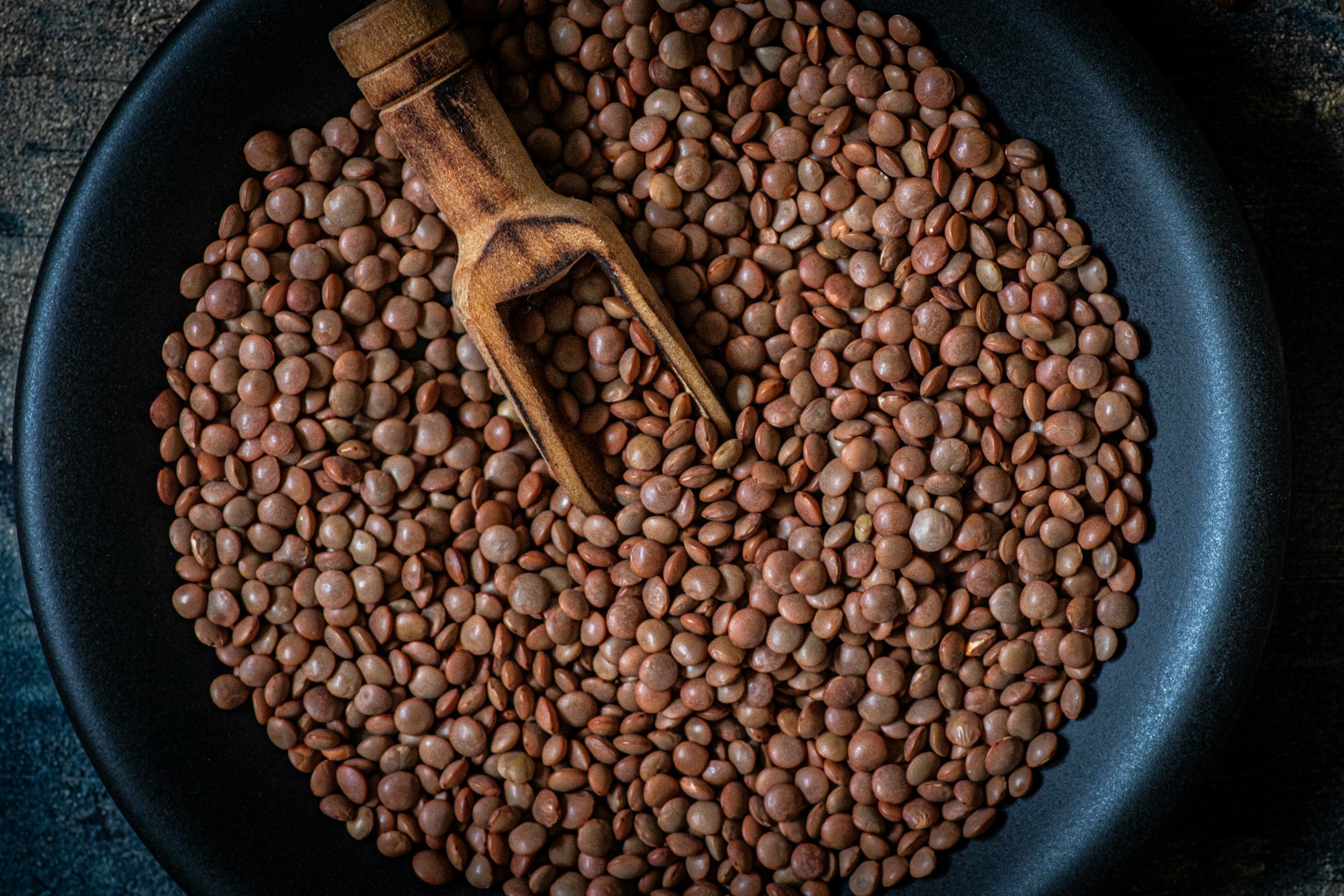
Lentils
6. Artichokes – 10 g per medium vegetable
High in antioxidants, supports liver and digestive health, rich in vitamin C and K. Steam, roast, or grill.
7. Avocados – 10 g per medium fruit
Heart-healthy monounsaturated fats, potassium-rich, supports skin health, contains lutein for eye health. Perfect on toast, in smoothies, or as guacamole.
8. Chia Seeds – 10 g per 2 tbsp
Omega-3 fatty acids, calcium-rich, supports heart and bone health, stabilizes blood sugar. Use in puddings, smoothies, or yogurt.
9. Green Peas – 9 g per 1 cup cooked
Supports blood sugar control, high in protein and antioxidants, rich in vitamins A, C, and K. Add to stir-fries, soups, or pasta dishes.
10. Acorn Squash – 9 g per 1 cup cooked
Rich in beta-carotene, potassium, antioxidants, supports immunity. Roast, mash, or make into soups.
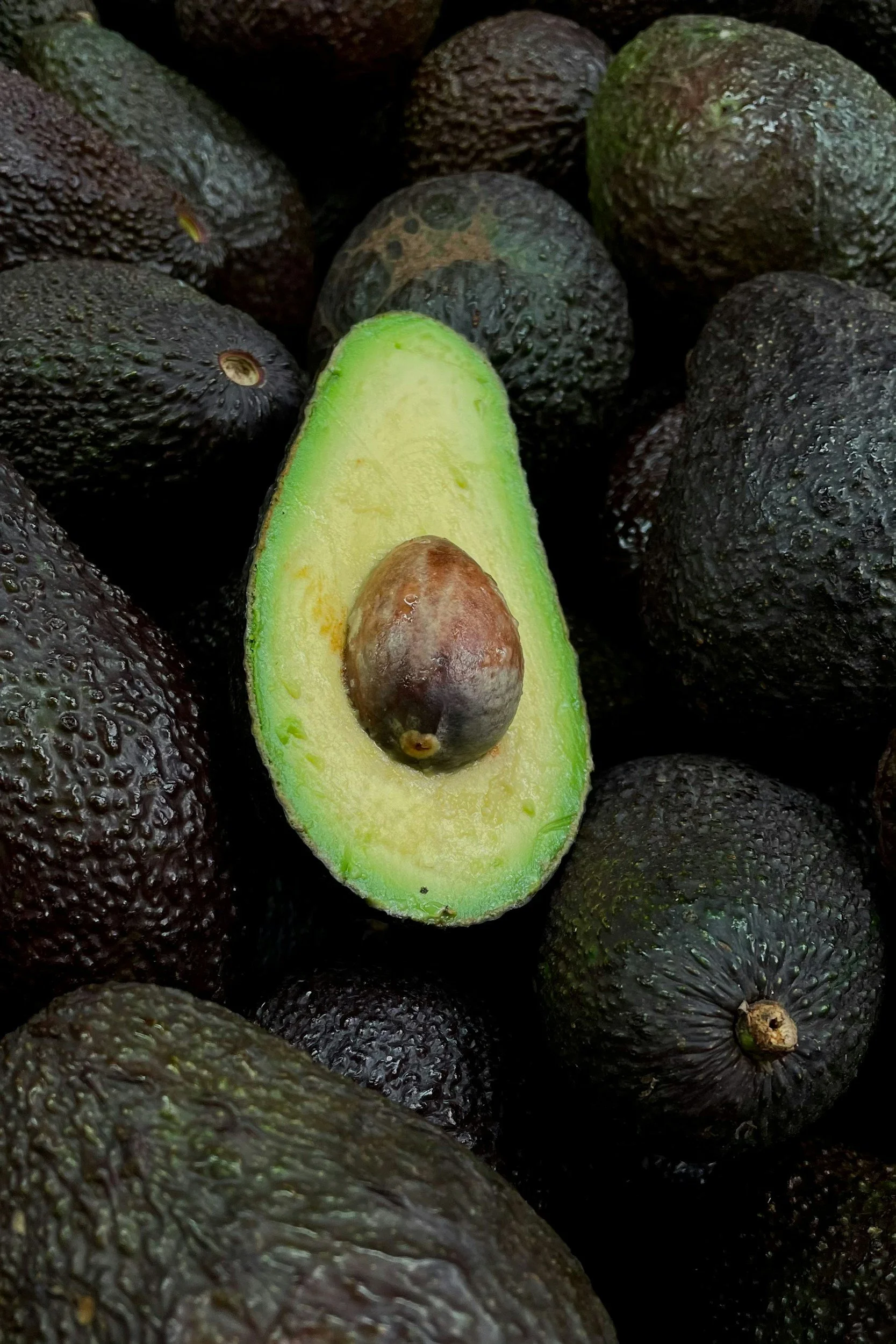
Avocado
11. Raspberries – 8 g per 1 cup
Antioxidants (ellagic acid), vitamin C, heart and brain health, may support weight management. Great in smoothies, yogurt, or oatmeal.
12. Edamame – 8 g per 1 cup cooked
Complete plant protein, calcium and iron for bone health, contains antioxidants. Snack, toss into salads or stir-fries.
13. Blackberries – 7 g per 1 cup
Vitamin C and K, brain and heart support, rich in anthocyanins (anti-inflammatory). Add to breakfast bowls, smoothies, or desserts.
14. Bulgur – 8 g per 1 cup cooked
Helps regulate blood sugar, supports heart health, contains iron and magnesium. Use in salads, tabbouleh, or as a side dish.
15. Pearled Barley – 6 g per 1 cup cooked
Cholesterol-lowering, supports gut health, contains selenium and B vitamins. Perfect for soups, risottos, or grain bowls.
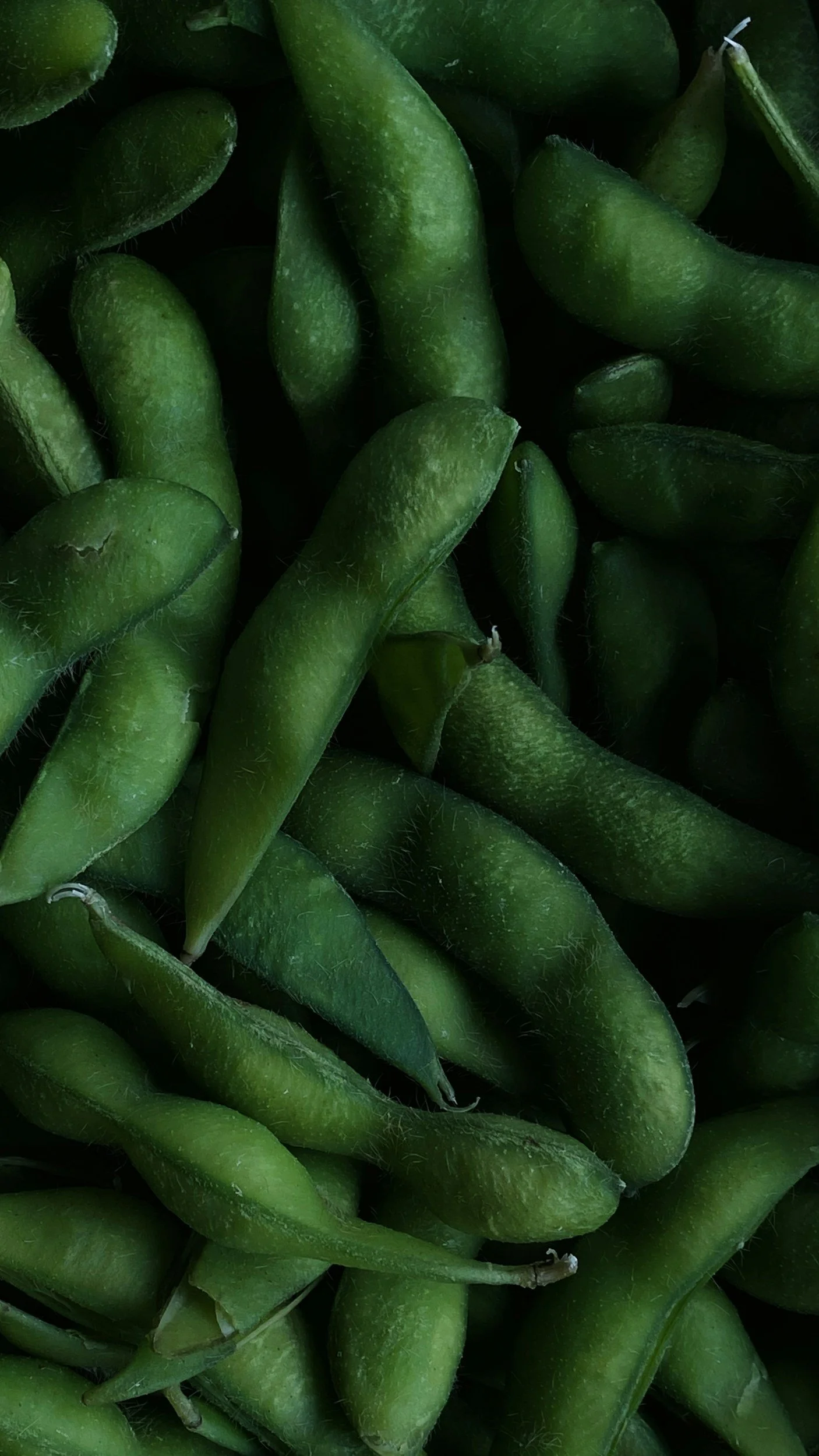
Edamame
16. Broccoli – 5 g per 1 cup cooked
Contains sulforaphane for cancer protection, vitamin C and K, calcium, antioxidant-rich. Steam, roast, or stir-fry.
17. Quinoa – 5 g per 1 cup cooked
Complete protein, magnesium-rich, antioxidant-rich, gluten-free. Use in salads, grain bowls, or as a side dish.
18. Pears – 5 g per medium fruit
High in antioxidants, supports digestion and heart health, rich in vitamin C. Snack, bake, or add to breakfast bowls.
19. Coconut (shredded, unsweetened) – 5 g per ¼ cup
Provides medium-chain triglycerides (MCTs) for energy, supports digestion, rich in manganese. Sprinkle on smoothies, oatmeal, or baked goods.
20. Spinach – 4 g per 1 cup cooked
Iron-rich, magnesium and calcium, antioxidant-rich, supports eye and bone health. Add to salads, smoothies, or soups.
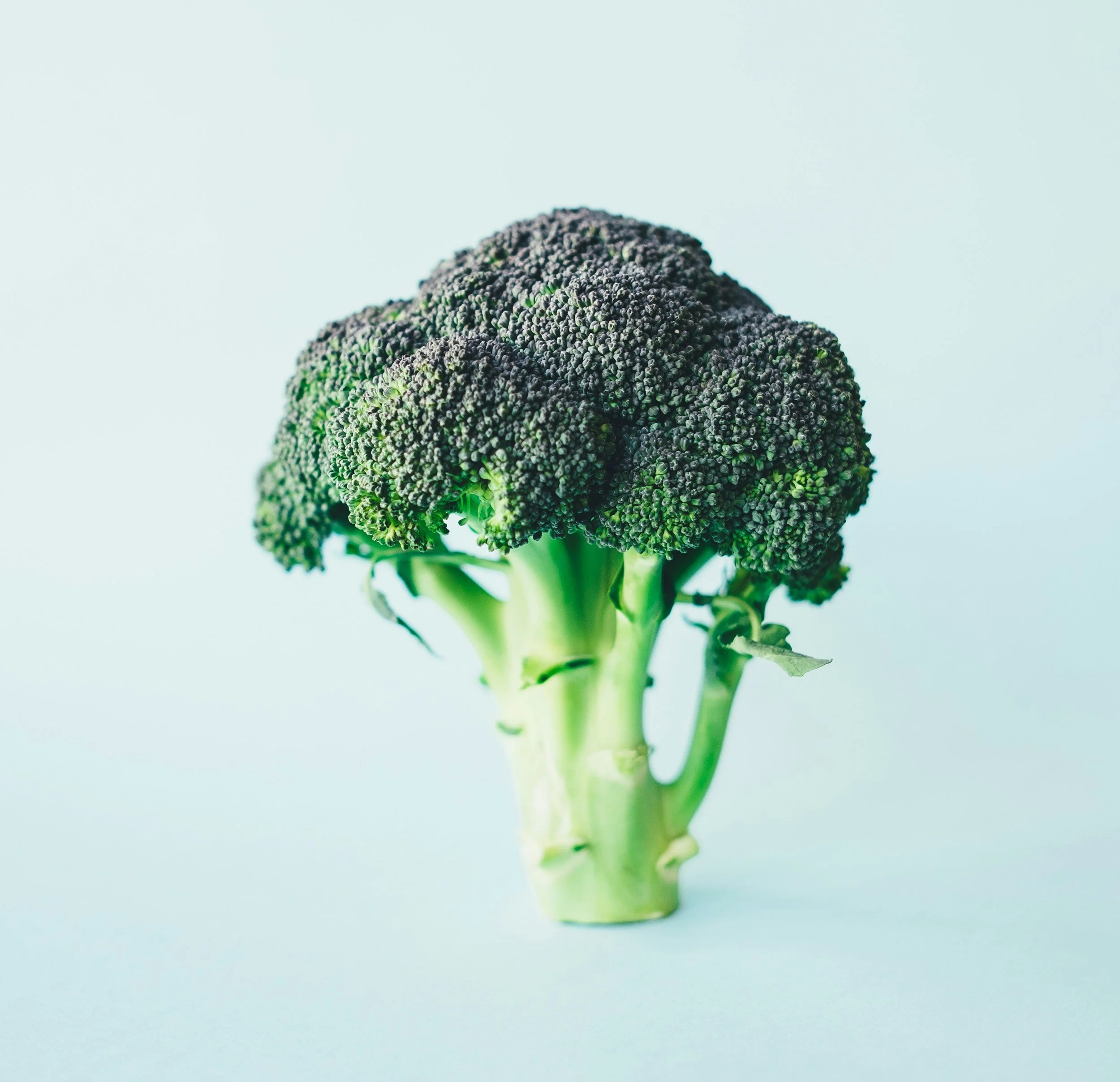
Broccoli
21. Sweet Potatoes – 4 g per medium baked
Beta-carotene, potassium, vitamin C, supports immunity and eye health. Bake, mash, or roast.
22. Brussels Sprouts – 4 g per 1 cup cooked
Vitamin K and C, antioxidants, supports detoxification. Roast with olive oil and lemon.
23. Beets – 4 g per 1 cup roasted
High in nitrates (heart health), folate, antioxidants. Roast, pickle, or add to salads.
24. Apples – 4 g per medium fruit
Polyphenols support heart and gut health, vitamin C, stabilizes blood sugar. Snack, bake, or add to salads.
25. Carrots – 3.5 g per 1 cup raw
Beta-carotene for eye health, vitamin A, antioxidants. Eat raw, roast, or add to soups.
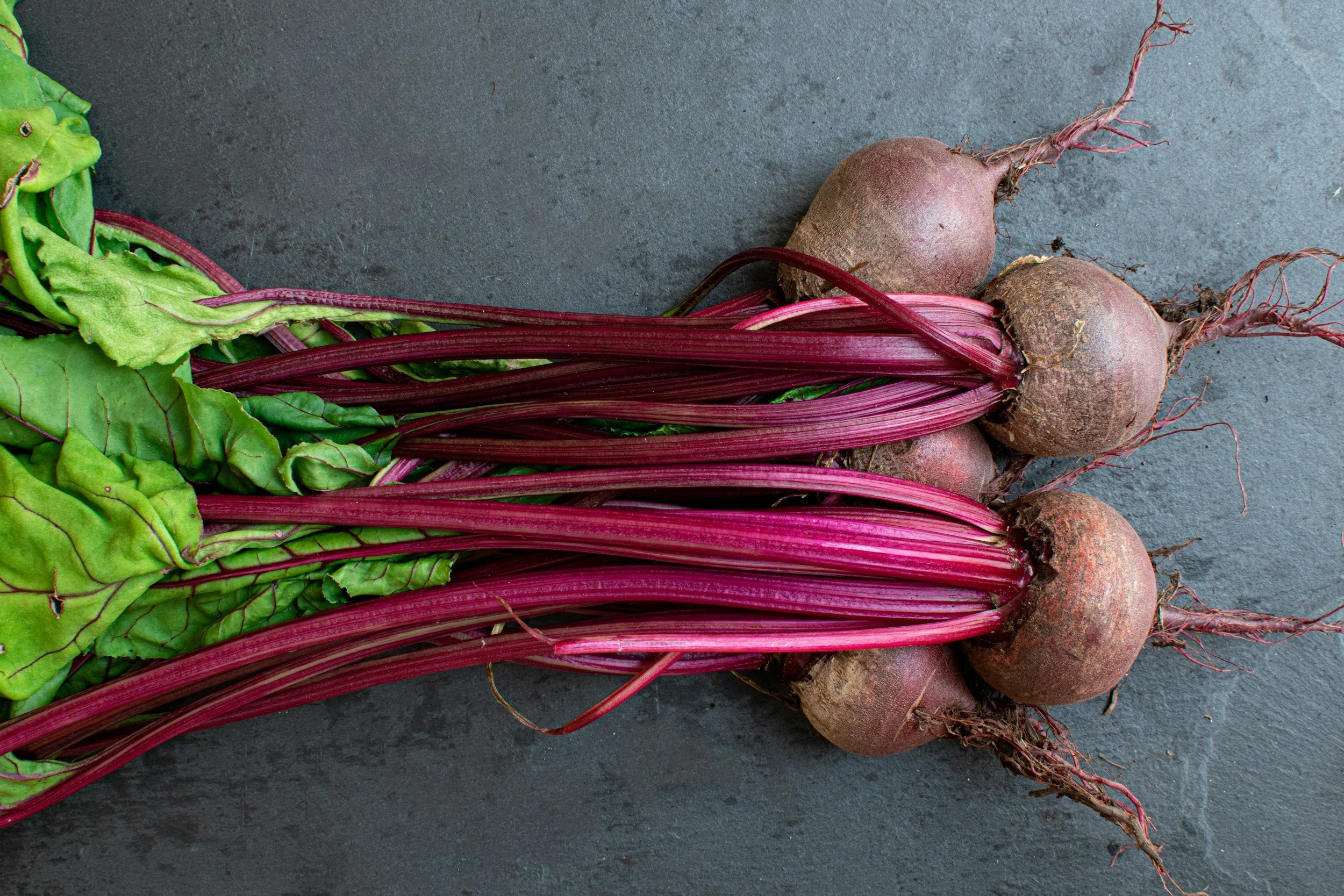
Beets
26. Corn (Whole Kernels) – 3.5 g per 1 cup
B vitamins, lutein and zeaxanthin for eye health, antioxidants. Grill, boil, or use in salads.
27. Brown Rice – 3.5 g per 1 cup cooked
Supports heart health, provides B vitamins and magnesium, aids digestion. Serve as a side, in grain bowls, or stir-fries.
28. Almonds – 3.5 g per ounce
Healthy fats, vitamin E, magnesium, antioxidants. Snack, add to salads or bake into recipes.
29. Walnuts – 2 g per ounce
Omega-3 fatty acids, brain health, antioxidants. Snack, salads, or baking.
30. Pistachios – 2.9 g per ounce
Protein-rich, supports heart health, antioxidant-rich. Snack, salads, or desserts.
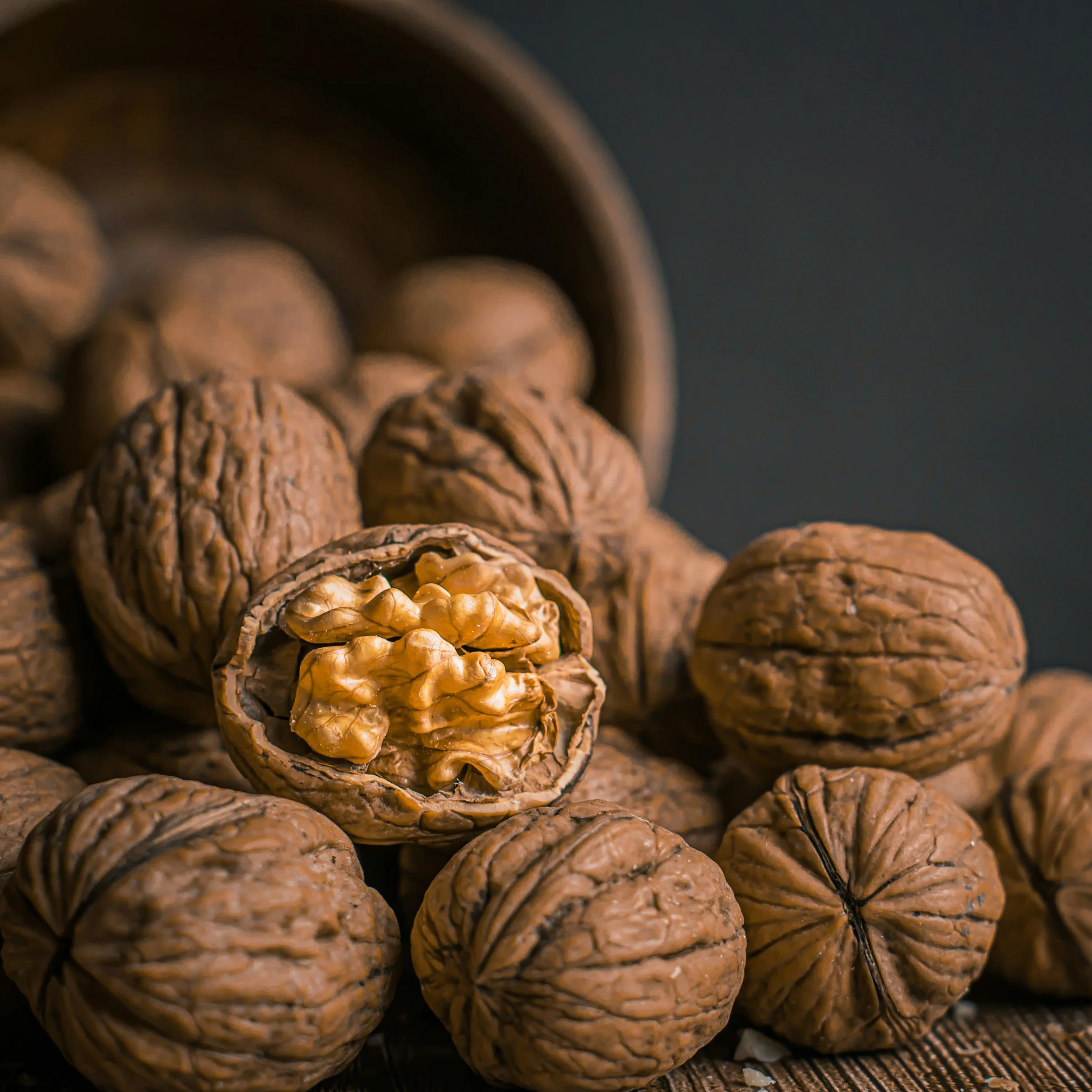
Walnuts
31. Pumpkin – 3 g per 1 cup cooked
Beta-carotene, vitamin C, supports immunity. Roast, use in soups or muffins.
32. Figs – 1.5 g per medium
Supports digestion, antioxidants, potassium-rich. Snack, oatmeal, or baked goods.
33. Prunes – 3 g per ½ cup
Supports digestion and bone health, antioxidant-rich. Snack, oatmeal, or baking.
34. Dates – 1.5 g per Medjool date
Potassium, magnesium, antioxidants, natural energy. Energy balls, desserts.
35. Flaxseeds – 3 g per tbsp
Omega-3 fatty acids, lignans (antioxidants), heart health. Add to smoothies, oatmeal, or baked goods.
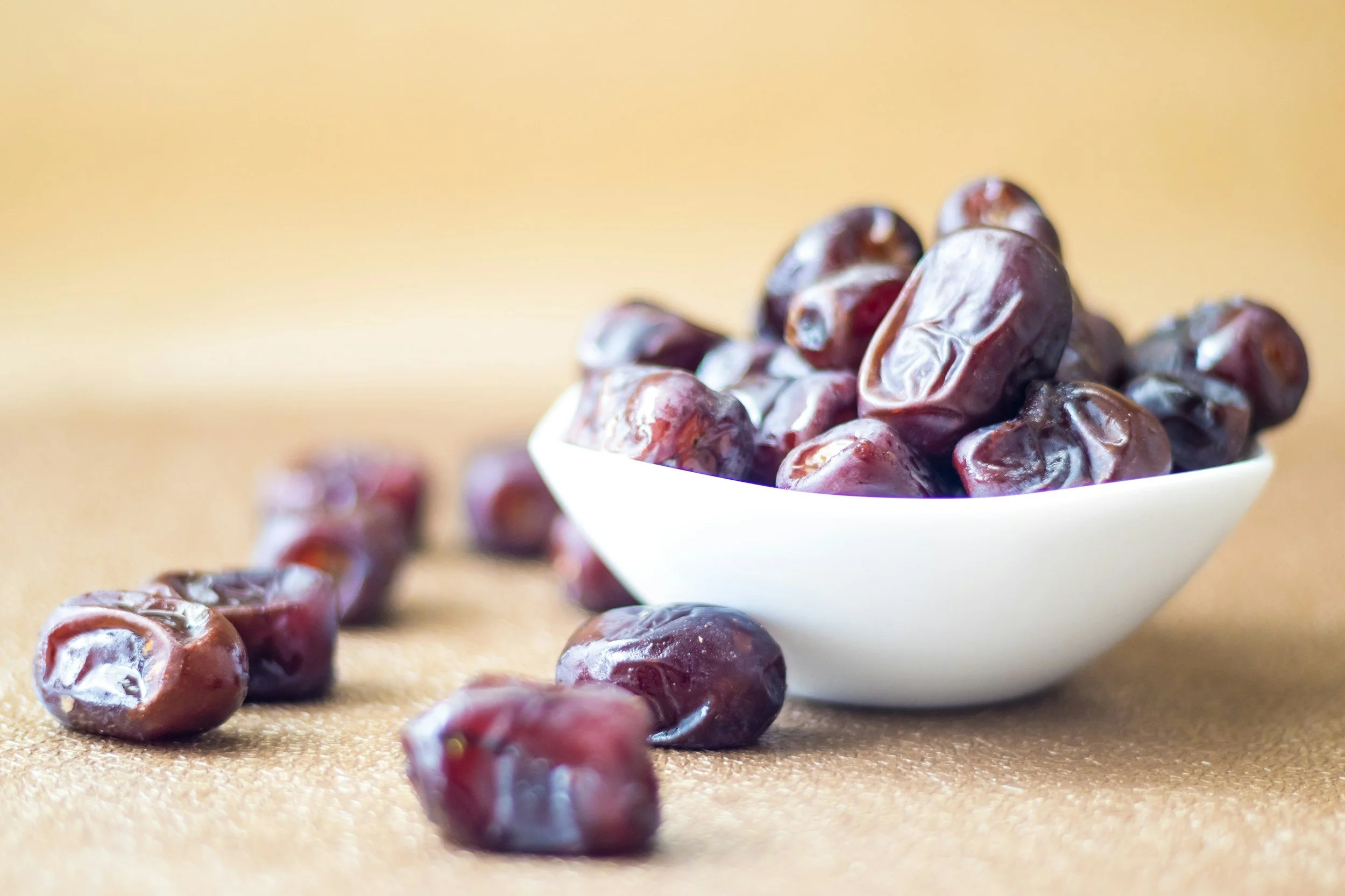
Dates
36. Hemp Seeds – 1 g per tbsp
Complete protein, omega-3s, supports skin and heart health. Sprinkle on oatmeal, yogurt, or salads.
37. Sweet Corn Tortillas – 2 g per tortilla
B vitamins, gluten-free, supports digestion. Use for tacos or wraps.
38. Whole Wheat Bread – 2 g per slice
B vitamins, magnesium, supports heart health. Sandwiches or toast.
39. Rye Bread – 3 g per slice
Stabilizes blood sugar, supports heart health. Sandwiches or toast.
40. Seaweed (Nori) – 1–2 g per sheet
Iodine-rich, antioxidants, supports thyroid health. Use in sushi, salads, or snacks.
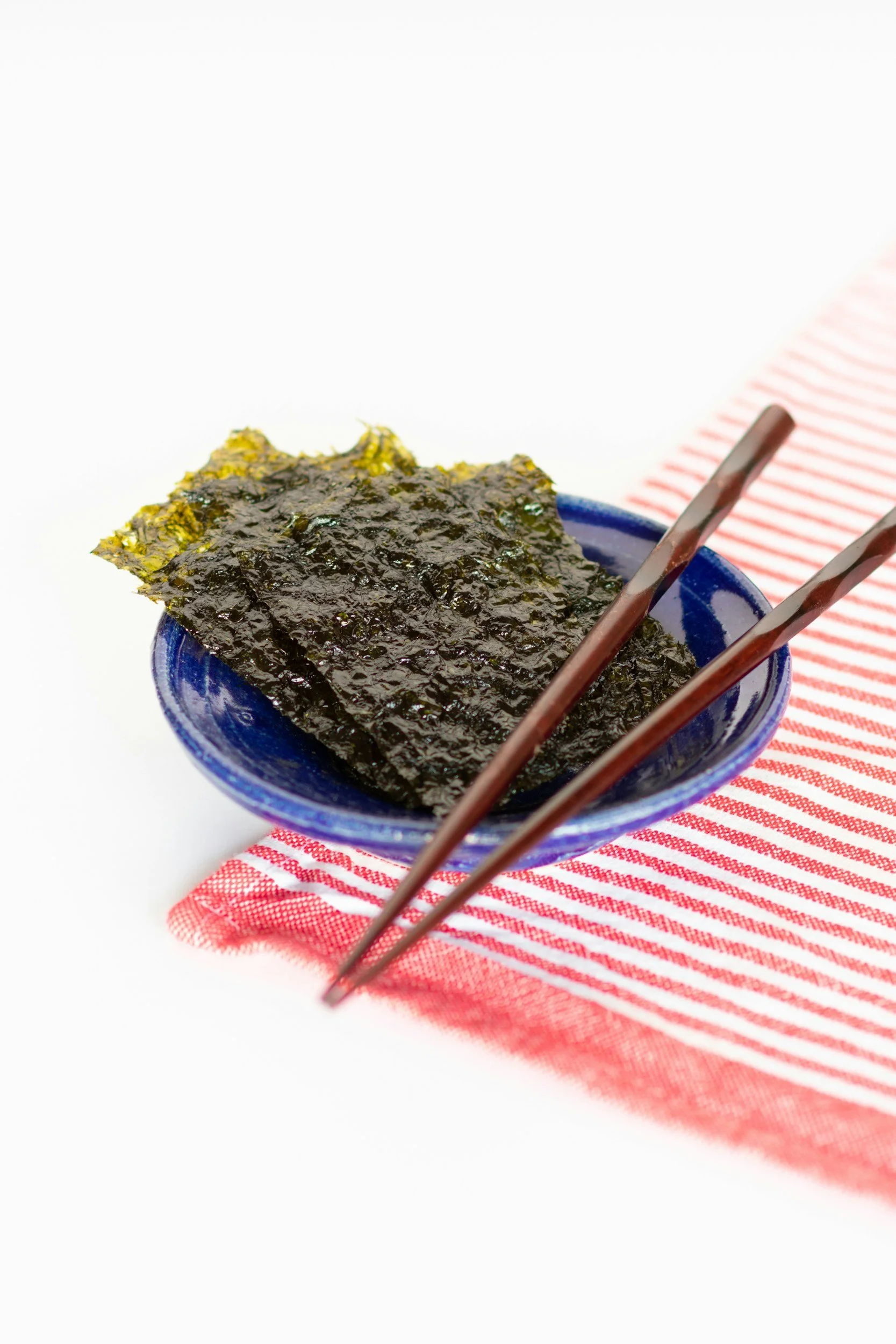
Seaweed (Nori)
41. Sweet Potato Chips (baked) – ~3 g per cup
Beta-carotene, potassium, fiber-rich snack. Make homemade baked chips.
42. Oats (rolled/cooked) – 4 g per 1 cup cooked
Soluble fiber (cholesterol-lowering), protein, B vitamins. Breakfast bowls or baking.
43. Barley (hulled) – 6 g per 1 cup cooked
Cholesterol-lowering, antioxidants, supports digestion. Soups, salads, or grain bowls.
44. Turnips – 3 g per 1 cup cooked
Vitamin C, antioxidants, supports immunity. Roast, mash, or add to soups.
45. Pumpkin Seeds – 1.7 g per ounce
Magnesium, zinc, supports immunity and heart health. Snack or salad topping.
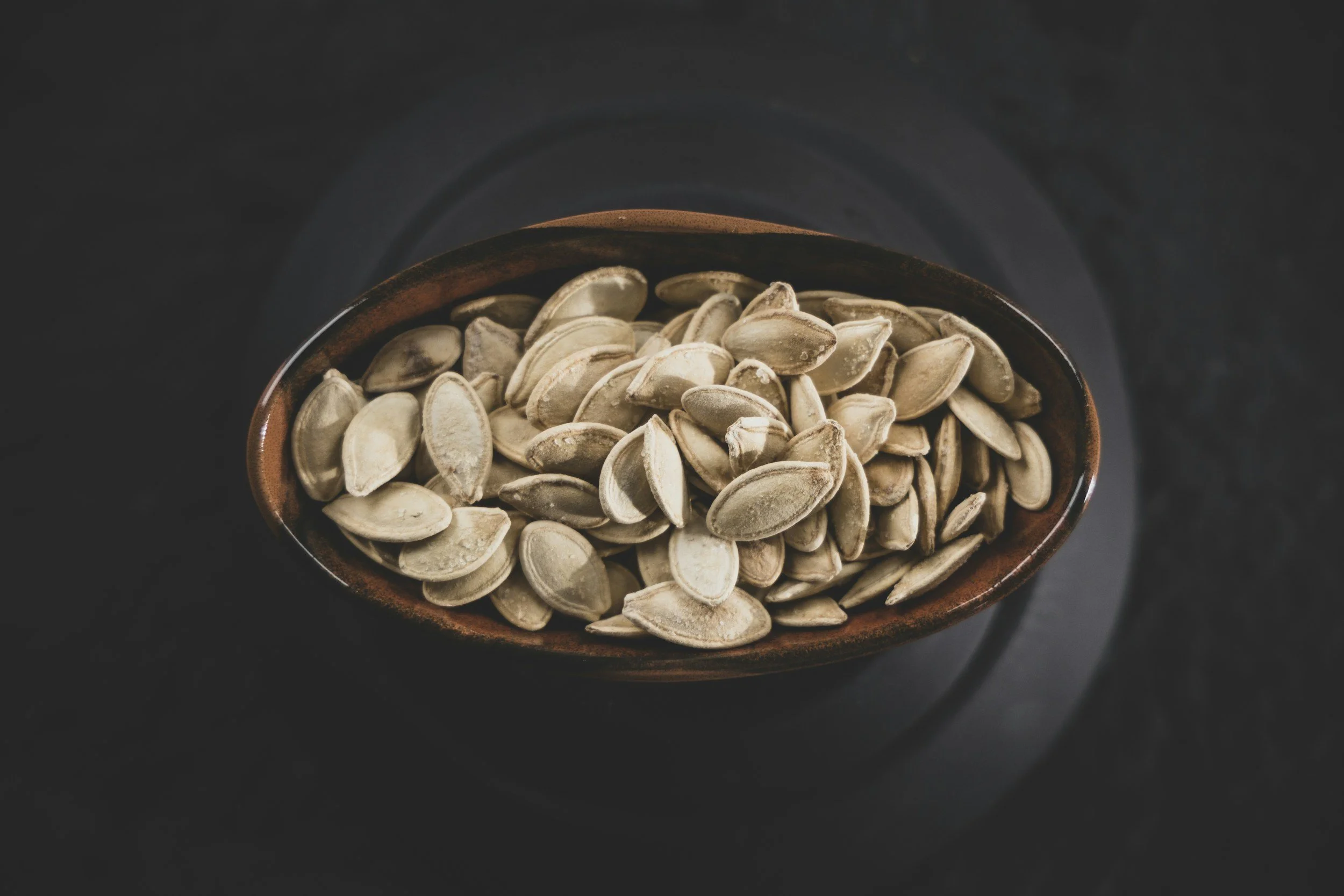
Pumpkin Seeds
46. Sunflower Seeds – 3 g per ¼ cup
Vitamin E, magnesium, antioxidants, supports heart health. Snack, salads, oatmeal.
47. Cabbage (Red) – 3 g per 1 cup cooked
Antioxidants, vitamin C, supports digestion. Salads, slaws, stir-fries.
48. Okra – 3 g per 1 cup cooked
Antioxidants, supports digestion and blood sugar control. Use in stews, soups, or roasted.
49. Psyllium Husk – 5 g per 1 tbsp
Psyllium husk is a powerful soluble fiber that promotes digestive regularity, helps lower cholesterol, stabilizes blood sugar, increases fullness, and supports healthy weight management.
50. Chia Seeds – 7-8 g per 2 tbsp
Chia seeds are tiny nutritional powerhouses loaded with fiber, plant-based omega-3s, protein, and antioxidants that support digestion, heart health, blood sugar control, and long-lasting fullness.
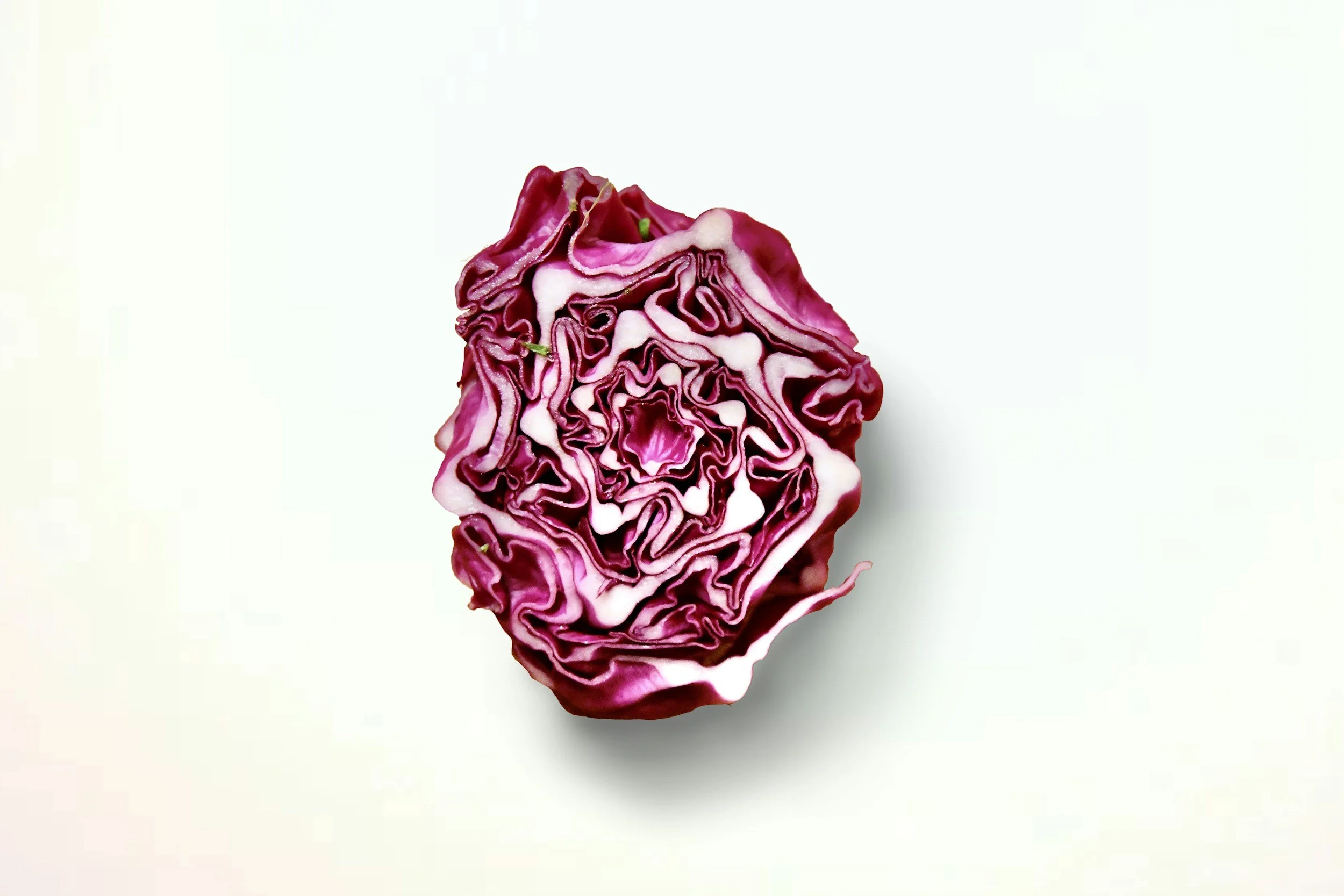
Cabbage